Threat Levels in RIFTSTORM
Choose mission difficulty tiers that match your Periapt investment, squad skill, and extraction-lite risk tolerance.
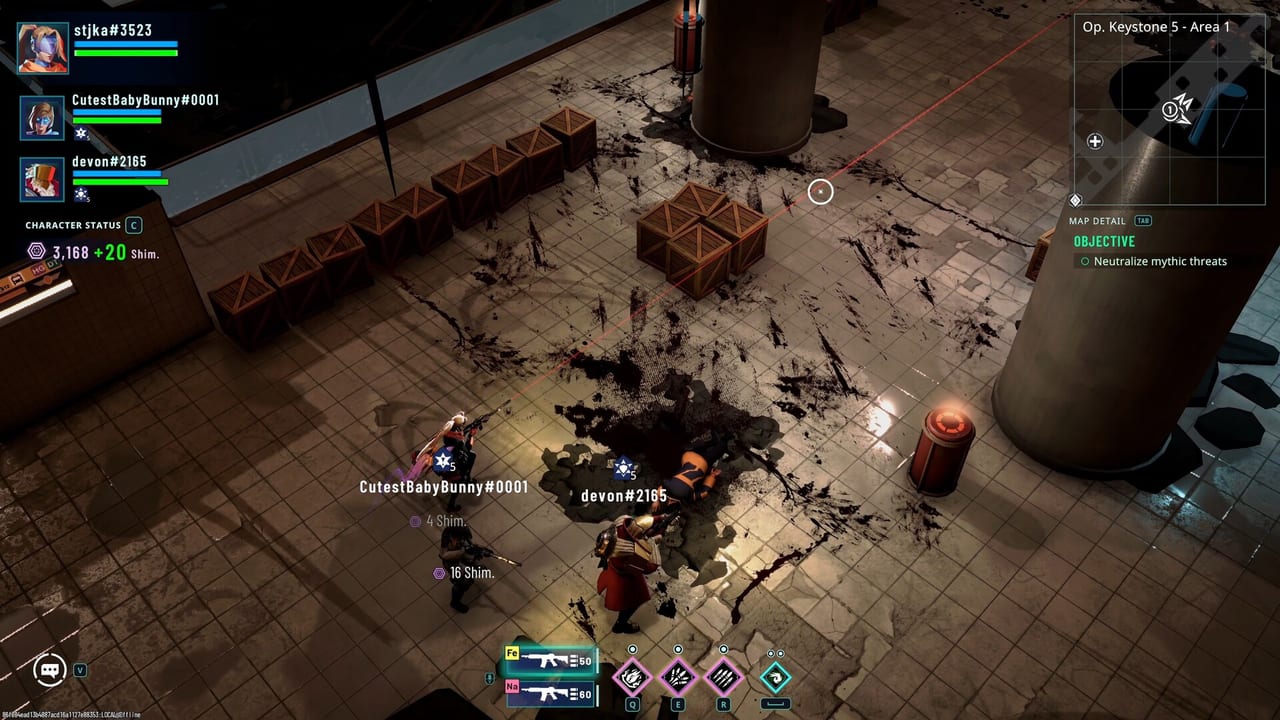
Threat Levels are RIFTSTORM’s mission-wide difficulty dial—the number or tier you select when launching a PADDOCK Contingency run that determines enemy health, damage, spawn density, and loot quality for the entire instance. Unlike Rift Exposure Zones, which create local hot spots inside a map, Threat Level applies baseline pressure everywhere from first deploy to extract. Pick too high and Weapon Scarring on brought weapons becomes likely; pick too low and Periapt materials trickle too slowly to justify your time.
Early Access is planned for August 11, 2026 on Steam. Threat unlocks tie into Periapt progression and sometimes story contingencies described in Getting Started. This guide helps trios choose tiers deliberately instead of blindly maxing the slider on launch night.
How Threat Level is presented
UI details may shift before launch, but expect Threat selection in the mission lobby before your squad drops:
- A numeric scale (for example Threat 1 through Threat 5 or higher at endgame Early Access).
- Brief text summarizing recommended gear score, prior clears, or Periapt nodes.
- Loot tier icons hinting at rarity floors and material types.
Only the host may lock Threat in some co-op flows—communicate in lobby voice before the host confirms. Duos should not let the highest-Periapt player force Threat the third cannot survive.
What scales with Threat
Based on pre-launch materials and demo-adjacent tuning, Threat typically modifies:
Enemy stats — Health pools, damage per hit, and resistance to status effects climb with tier.
Spawn budgets — More elites per encounter, faster reinforcement timers, and additional simultaneous rift events.
Loot tables — Better baseline rarity, more crafting mats per container, and access to mod pools gated behind minimum Threat.
Objective pressure — Shorter fail timers, harder hack durations, or extra sub-objectives on high tiers.
Threat does not automatically teach you new mechanics—it assumes you already know exposure migration, Lythogram pick timing, and extract discipline.
Periapt gates and unlock cadence
Many Threat tiers remain locked until you invest specific Periapt nodes or complete prerequisite PADDOCK Contingency missions. This prevents day-one squads from jumping to endgame loot tables with starter rifles. Plan a Periapt path with your static:
- Clear Threat 1–2 until core damage and sustain nodes unlock.
- Stabilize Threat 3 farms for Forge Center materials.
- Challenge Threat 4+ only with backup weapons to absorb scarring lessons.
If a tier shows locked despite level requirements met, check for missing contingency clears—not every gate is purely numeric.
Threat vs exposure: stacking risk
Threat Level and Rift Exposure multiply feel, not just numbers. Threat 3 with zero exposure detours is a teaching run. Threat 3 with two exposure cores and shrine chasing plays like Threat 4.5. When evaluating whether to raise Threat, ask:
- Do we know this map’s extract lanes cold?
- Do we have defensive Lythograms options this Weaver comp likes?
- Is anyone risking their only scar-able weapon tonight?
Affirmative answers on the first two and a backup gun on the third suggest you can try +1 Threat. Otherwise stay put another session.
Co-op squad recommendations
Full trio of comms-capable friends: You can punch one Threat above pug average because revive coordination and extract votes are reliable. Use invite codes for consistent rosters.
Duo plus random third: Stay one Threat below your duo comfort max; you cannot control the pug’s extract greed or build.
Learning a new Weaver: Drop Threat regardless of Periapt—mechanical mistakes are cheaper to fix at lower tiers.
Role comp matters at high Threat: without Hertz or Botsy utility, some elite mechanics in exposure-adjacent arenas become disproportionately harder. Flex picks beat raw DPS checks.
Farming vs progression Threat
Not every mission needs to be “highest unlocked Threat.” Define two lists:
Progression list — Threat at the edge of your capability with objectives that unlock new nodes or zones.
Farm list — Threat two steps below max where you clear in half the time with near-zero deaths, optimizing materials per hour for Forge Center crafts.
Rotating farm nights prevents burnout and stockpiles backup weapons so progression nights can afford occasional failed extracts.
Threat and Weapon Scarring economics
Failed extracts at high Threat hurt more because you likely brought high-tier guns to match the tier. Scarring debuffs on your primary weapon sting when replacement crafts require rare mats from the same Threat band. Economic rule: never run progression Threat with irreplaceable gear until you have a duplicate or repair path confirmed at the Forge Center.
Demo baseline vs Early Access ladders
Steam demo (app 3212570) may cap Threat lower than Early Access endgame. Demo Threat 3 is not a promise that Early Access Threat 3 feels identical—balance passes land weekly early in access. Re-baseline your squad after the planned August 11, 2026 launch with fresh test runs at Threat 1 before climbing.
When to raise Threat checklist
Raise exactly one tier when all are true:
- Last three runs at current Threat ended with clean extracts and spare timer.
- Periapt unlocks for next tier are satisfied.
- Squad agrees on Lythogram and exposure detour limits at the new tier.
- Backup weapons stocked for each regular player.
If any line fails, farm another evening. Threat Levels reward patience more than ego.
Future content and live tuning
Confiction Labs will adjust Threat scaling as player power curves emerge. Seasonal contingencies may introduce Threat modifiers—“Elite Threat” weeks or mutators. Treat this guide as framework; read patch notes for numeric changes.
Threat Level is the contract you sign with the mission: we accept harder enemies for better loot. Honor the contract only when your squad, Periapt, and extract plan can deliver.
Frequently Asked Questions
Quick answers to the most common RIFTSTORM questions.
What are Threat Levels in RIFTSTORM?
Mission-wide difficulty tiers that scale enemy stats, spawns, and loot quality for the entire PADDOCK Contingency run.
How do I unlock higher Threat Levels?
Usually through Periapt progression and prerequisite mission clears. See Getting Started for meta progression basics.
Is max Threat always the best loot per hour?
Not always. Lower Threat farms can beat failed high-T Threat runs once Weapon Scarring and death time are counted.
Does Threat Level affect Rift Exposure Zones?
Exposure adds local difficulty on top of Threat baseline. High Threat plus deep exposure is significantly harder than either alone.
Who chooses Threat in co-op?
Typically the lobby host locks Threat before launch. Agree as a trio using co-op comms so one player is not surprised.
Will Threat tuning change after Early Access launch?
Expect balance updates after the planned August 11, 2026 launch. Re-test lower tiers after major patches before climbing again.